Mold Inspection and Testing in Los Angeles
Find out whether mold is growing in your home or business, what type it is, and how far it has spread. We inspect, sample, and send everything to a certified lab, then walk you through the results.
- Free quotes
- We match or beat any competitor's quote
- Certified lab analysis
What a mold inspection includes
Mold can put both your health and your building at risk. Whether you can see it, smell it, or only suspect it, a mold inspection gives you a thorough answer.
Inspection and assessment
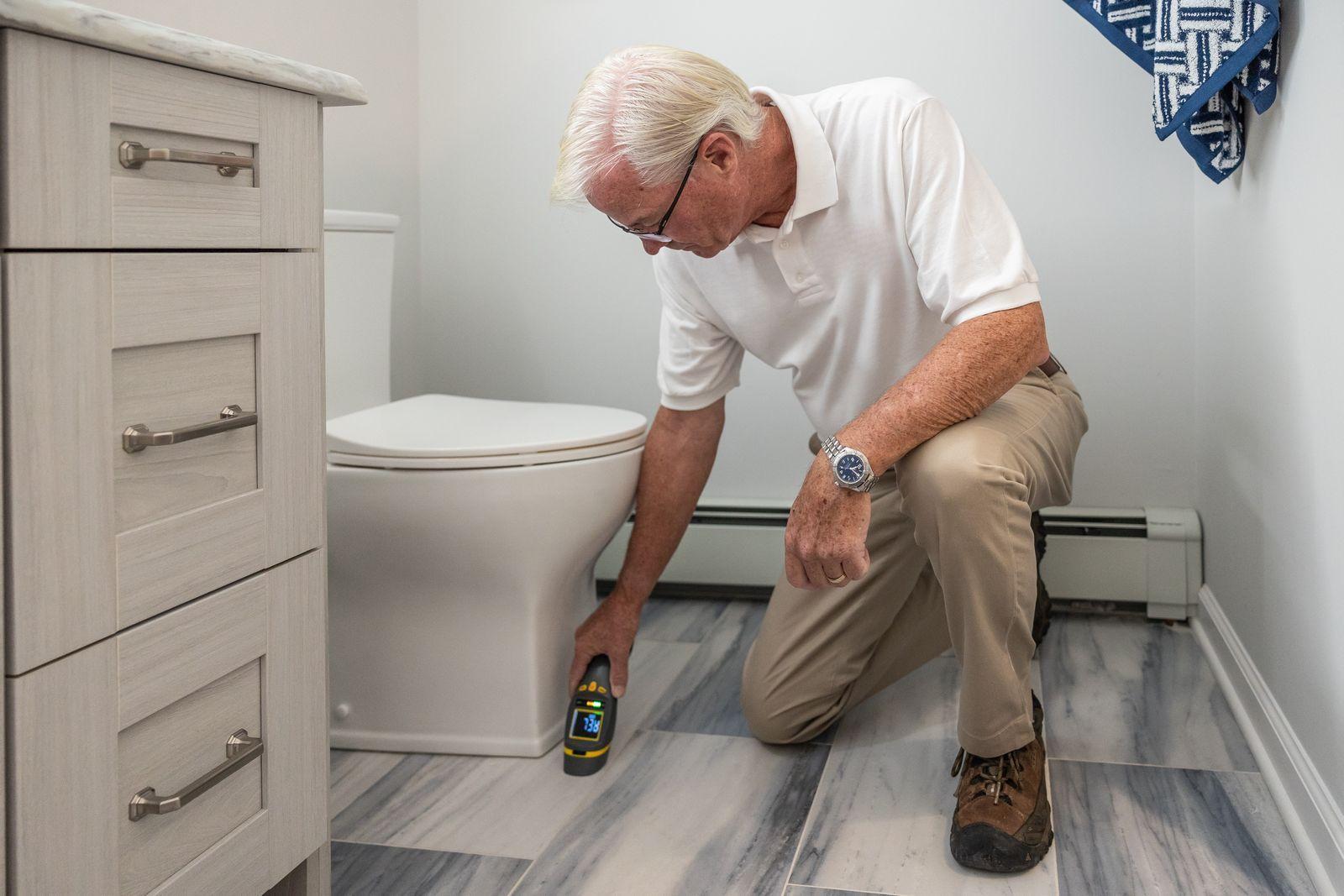
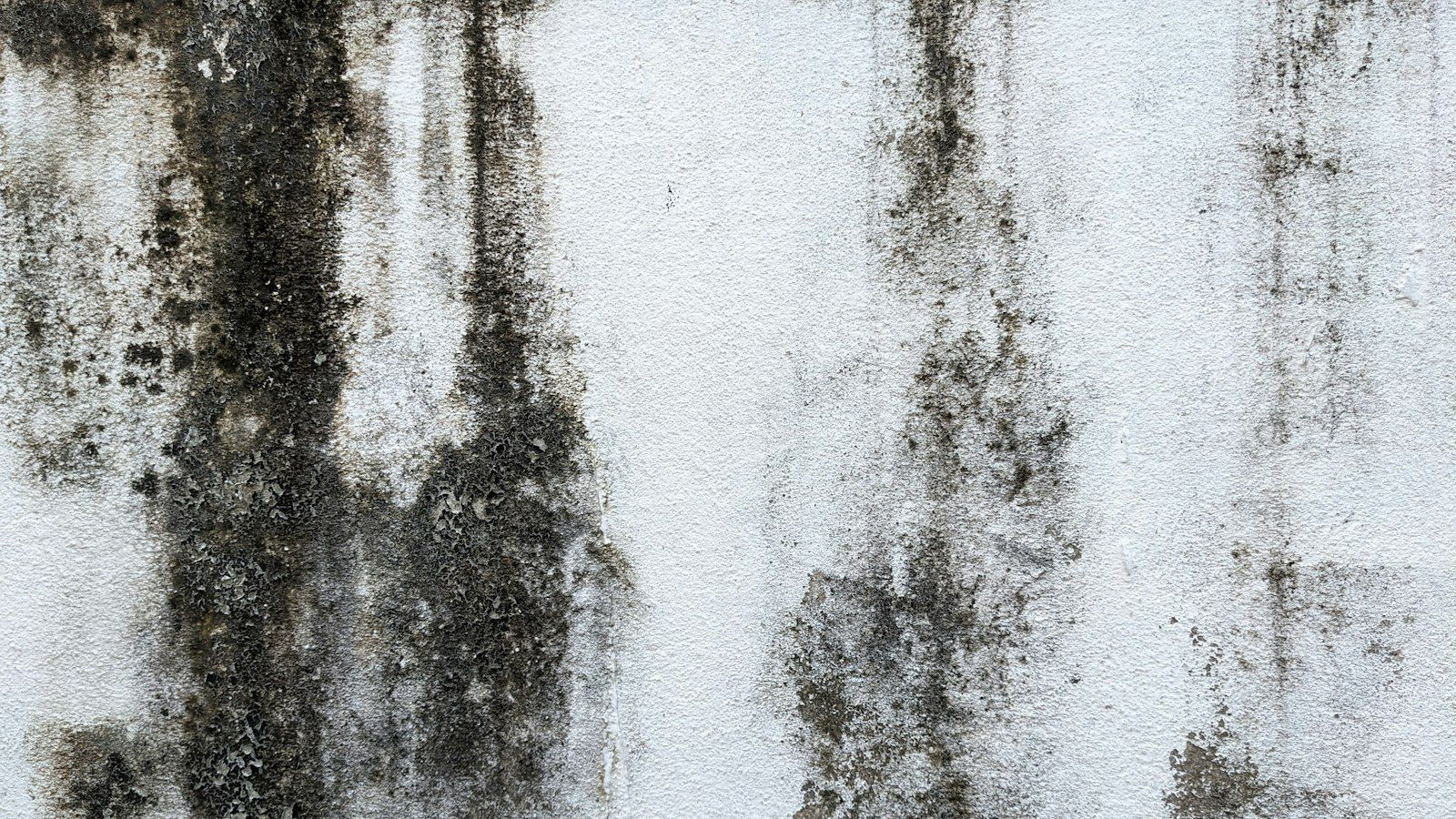
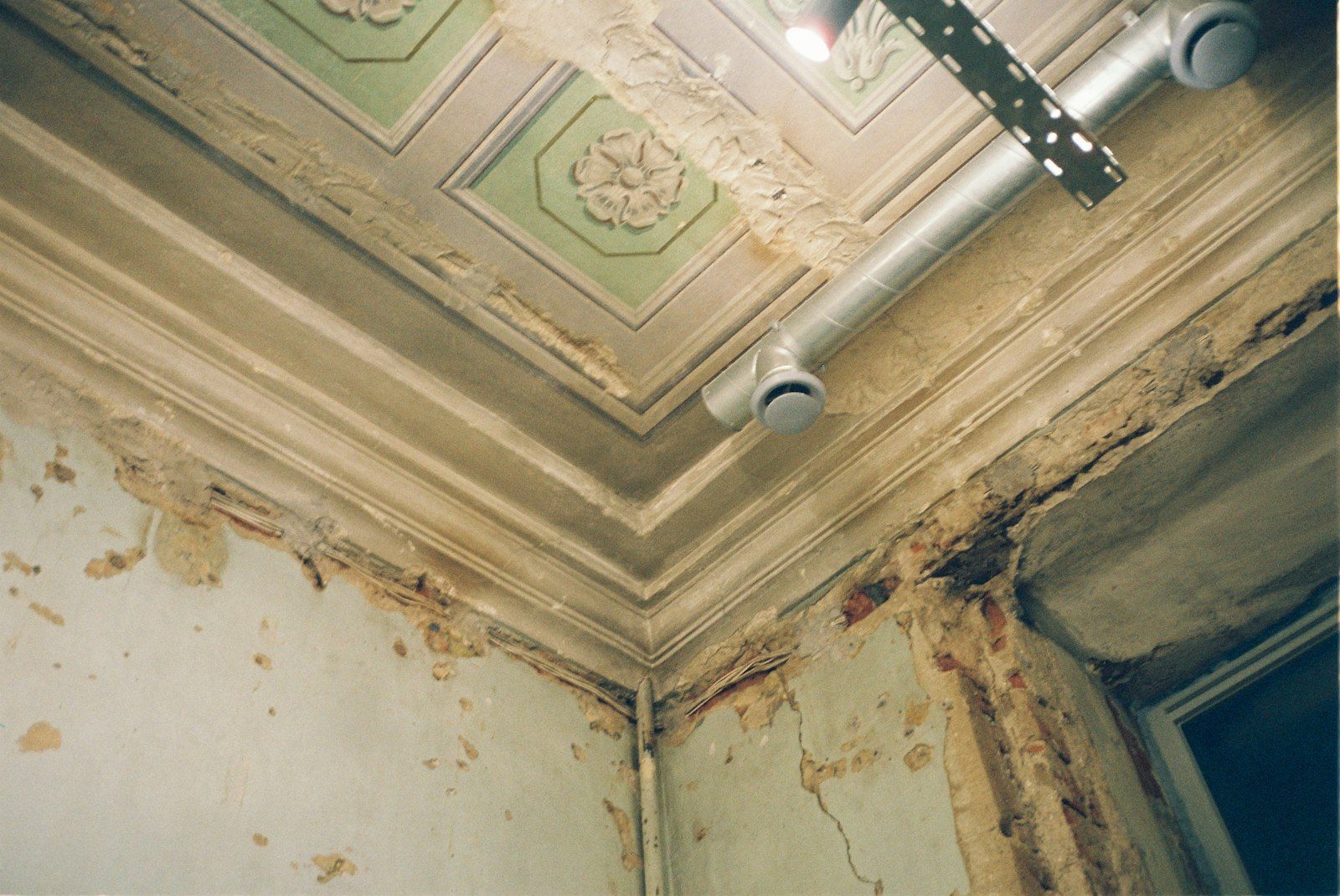
We inspect the property with a focus on the places mold likes most, such as bathrooms, kitchens, attics, crawl spaces, and HVAC systems, and use moisture detection and infrared scanning to help find mold you cannot see.
Air and surface sampling
We capture airborne spores with specialized equipment and take swab or tape-lift samples from any visible growth or suspect areas.
ERMI testing and lab analysis
Samples go to a certified laboratory, which identifies the types of mold present and measures their concentration.
Results explained
We go over the findings with you in plain language, so you understand the risks and the next steps.
Report and documentation
You receive a detailed report with the test results, the affected areas, and our recommendations.
Remediation referrals and verification
If remediation is needed, we can connect you with trusted professionals. Afterward, we offer post-remediation testing to confirm the issue has been resolved.
How a mold inspection works
Four steps, from the first walkthrough to a report you can act on.
Inspection and assessment
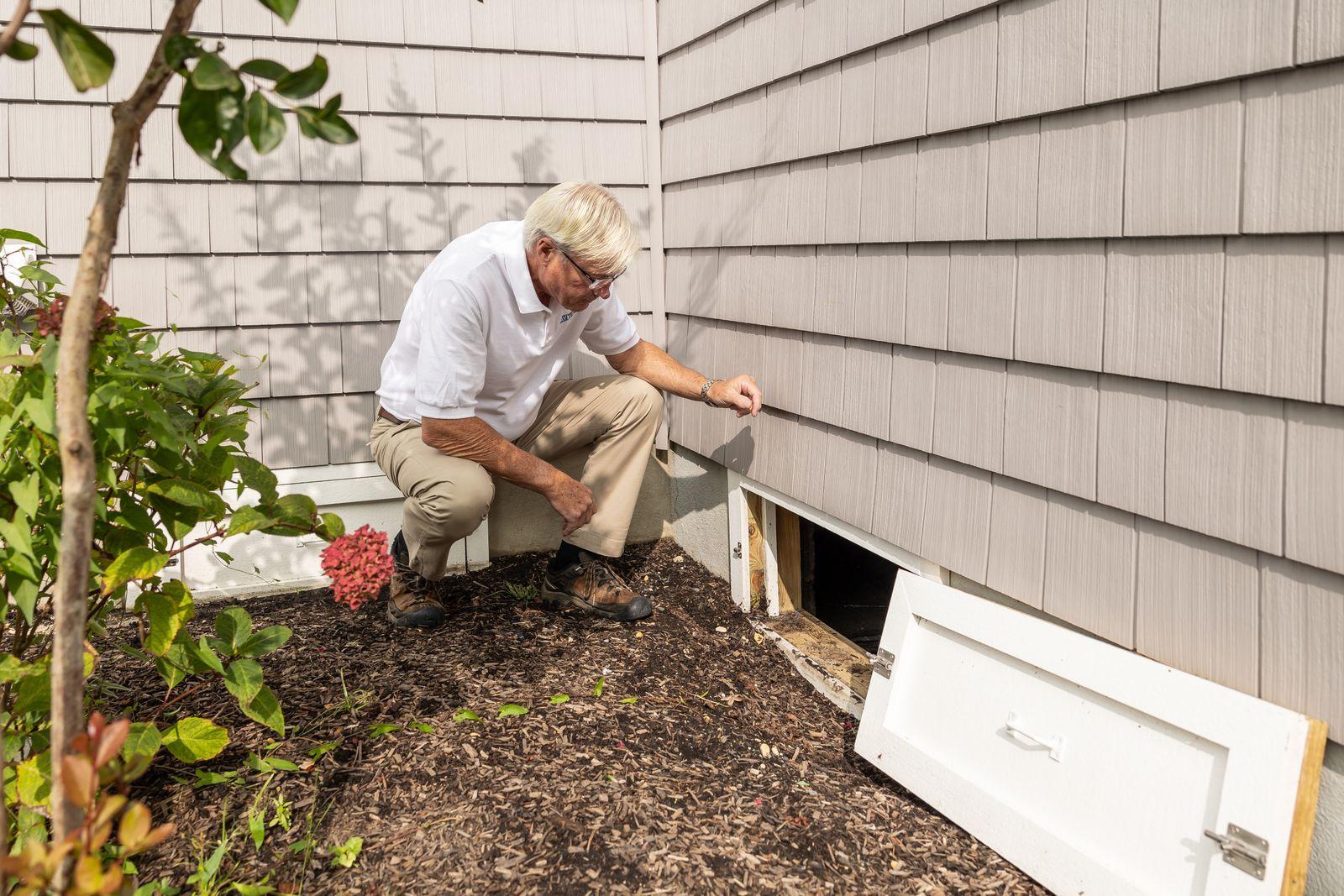
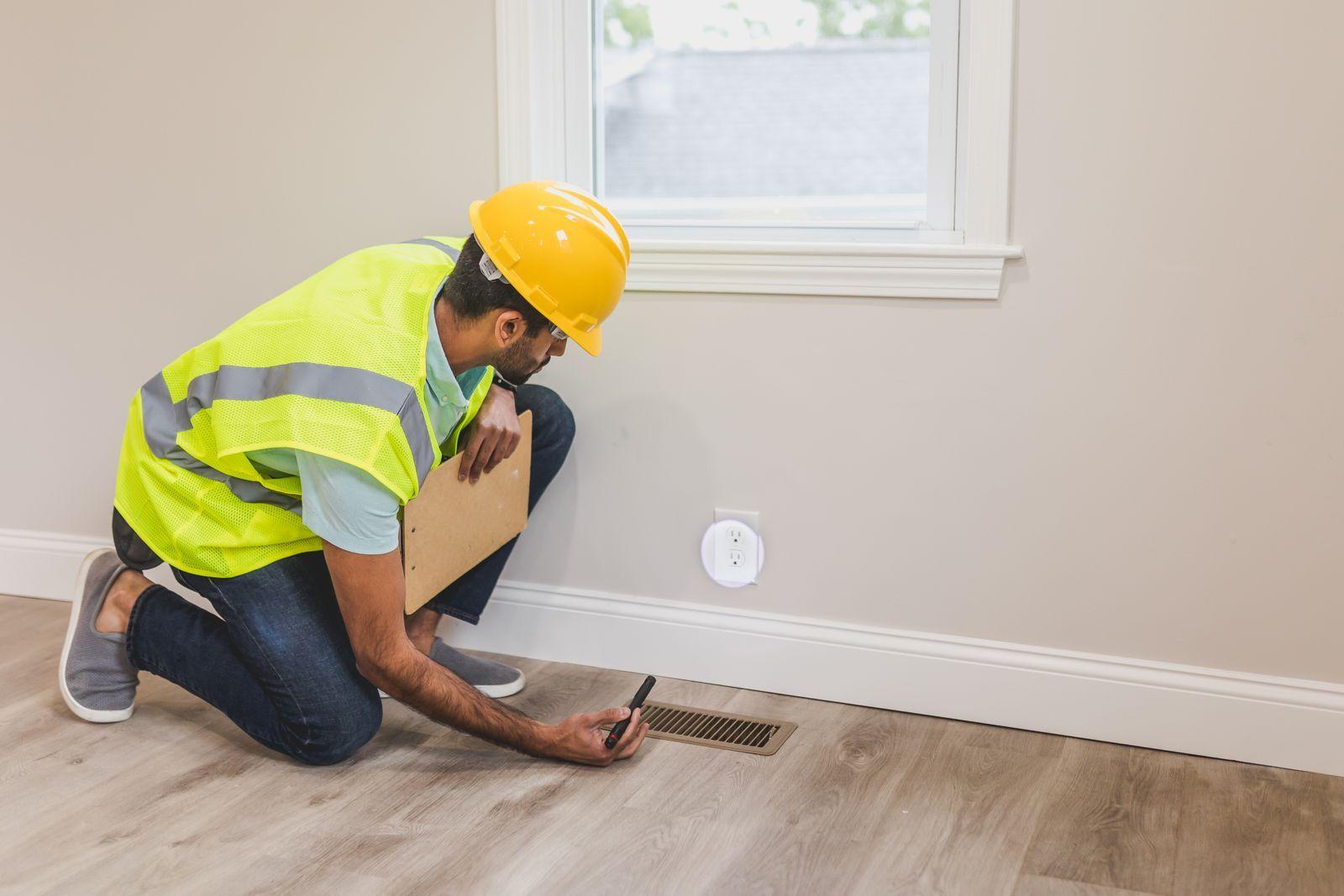
We walk the property looking for visible growth, water damage, and musty odors, then check the usual trouble spots: bathrooms, kitchens, crawl spaces, attics, HVAC systems, and anywhere that has leaked before. We also ask about any symptoms the people in the building have noticed.
Sampling
We collect air samples with specialized equipment, swab or tape-lift any suspect surfaces, and take humidity and temperature readings to see whether conditions favor mold growth.

Lab analysis
A certified laboratory identifies the mold species in each sample and measures the spore levels inside your property against an outdoor baseline sample.
Report and next steps
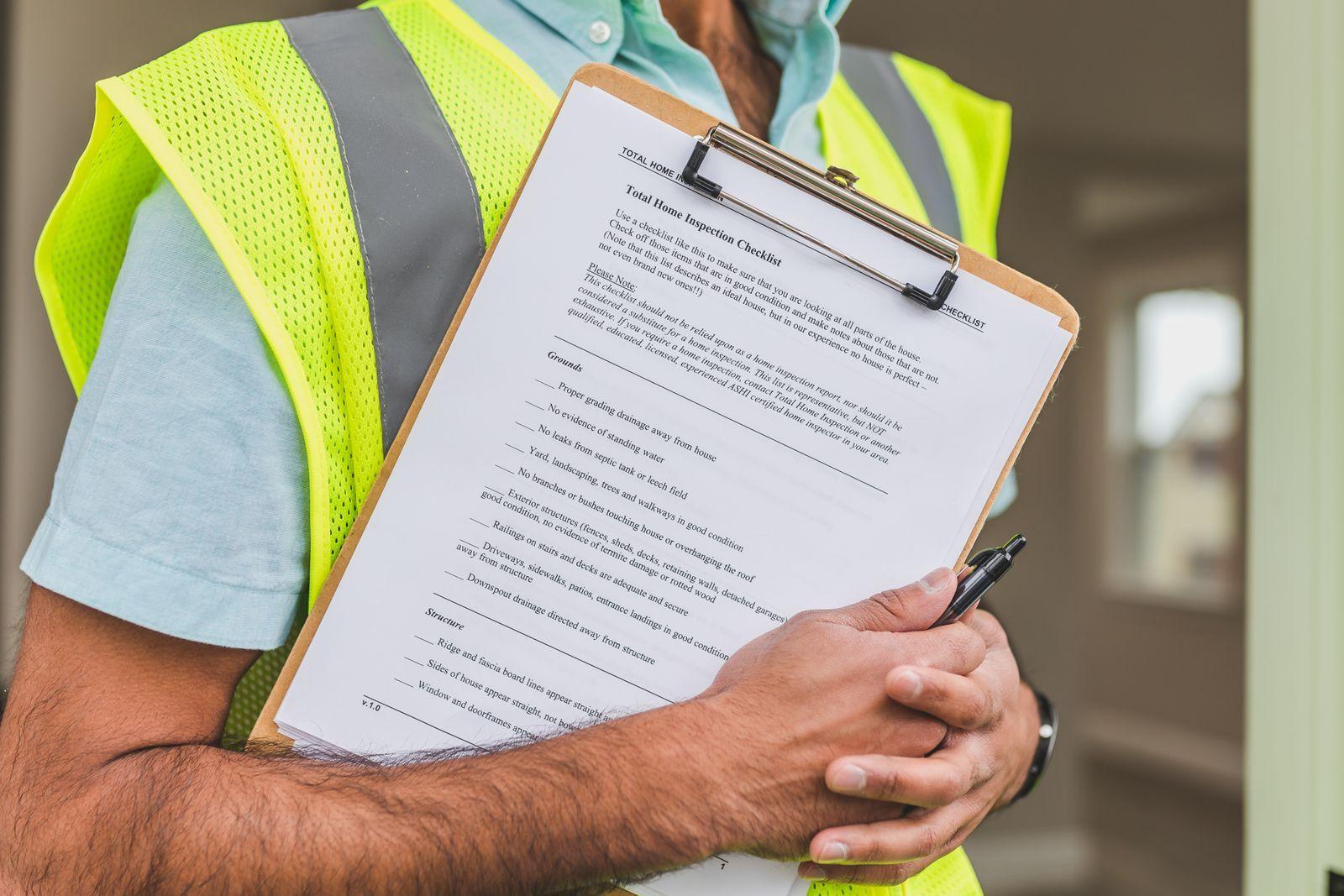
You get a written report with the lab results, our inspection notes, and clear recommendations. If remediation is needed we can refer you to professionals we trust, and we can retest afterward to confirm the problem is gone.
Why people get their property tested for mold
Early detection
Find a mold problem before it spreads, when it is faster and cheaper to deal with.
A clear answer
Know whether your property is fine or needs remediation, instead of wondering.
Healthier air
Cut down the allergens and irritants that may be affecting the people in the building.
A protected property
Catch moisture and mold damage before it eats into the value of your home or building.
Accurate results
Certified lab analysis identifies the specific mold types and their levels.
Recommendations that fit
Next steps are based on your test results and your property, not a generic checklist.
Mold inspection questions
Have a question that is not answered here? Call us and we will talk it through.
How much does a mold inspection cost in Los Angeles?
It depends on the size of the property and how many samples it needs, so we quote every job individually. The quote is free, and if another company has given you a quote for mold inspection or air quality testing, we will match it or beat it. Call (310) 686-9228 or send the form on this page.
I can already see mold. Do I still need testing?
Testing tells you things you cannot see: what type of mold it is, whether spores have spread into the air in other rooms, and how far the problem goes. The lab report also gives you documentation for a landlord, an insurance claim, or a remediation company.
What is the difference between air sampling and surface sampling?
Air sampling captures the spores floating in a room and compares them with the air outside your building. Surface sampling uses a swab or a tape lift on a specific spot to identify what is growing there. Most inspections use both.
What is ERMI testing?
ERMI stands for Environmental Relative Moldiness Index. It is a DNA-based lab analysis of settled dust that screens for 36 mold species. Because dust builds up over time, it can point to a mold history that a single air sample might miss.
What happens if you find mold?
Your report explains what was found and where, and lays out the recommended next steps. If the property needs remediation we can refer you to professionals we trust, and once the work is done we can retest to verify that it worked.
Find out if mold is in your home.
Call us or send the form for a free quote on mold inspection or air quality testing anywhere in the Los Angeles area. If you already have a quote from another company, we will match it or beat it.
Call (310) 686-9228